
Provisional Orders takes its title from two terms. “Provisional” designates the incomplete, unstable, and continuously shifting character of an arrangement; not its failure, but its condition.
“Orders” refers to systems of relation through which elements are brought into recognizable structures.
At stake is not the final form of a structure, but the processes through which elements are arranged before their relations consolidate into a fixed order. Here, attention turns to situations in which coherence emerges only provisionally, while the potential for transformation remains embedded within the work itself.
Under these conditions, surface, structure, image, material, and environment no longer occupy fixed roles. What appears as surface may become structural; what functions as structure may dissolve into image or disperse into a surrounding field. Individual elements form temporary constellations through layering, repetition, fragmentation, and material transformation held together through relations that remain unstable, where cohesion and disintegration coexist, and where seemingly stable configurations reveal internal variation and latent transformation.
Order is not approached as a stable or final condition, but as a provisional state that holds the potential for reorganization, displacement, and ongoing transformation.
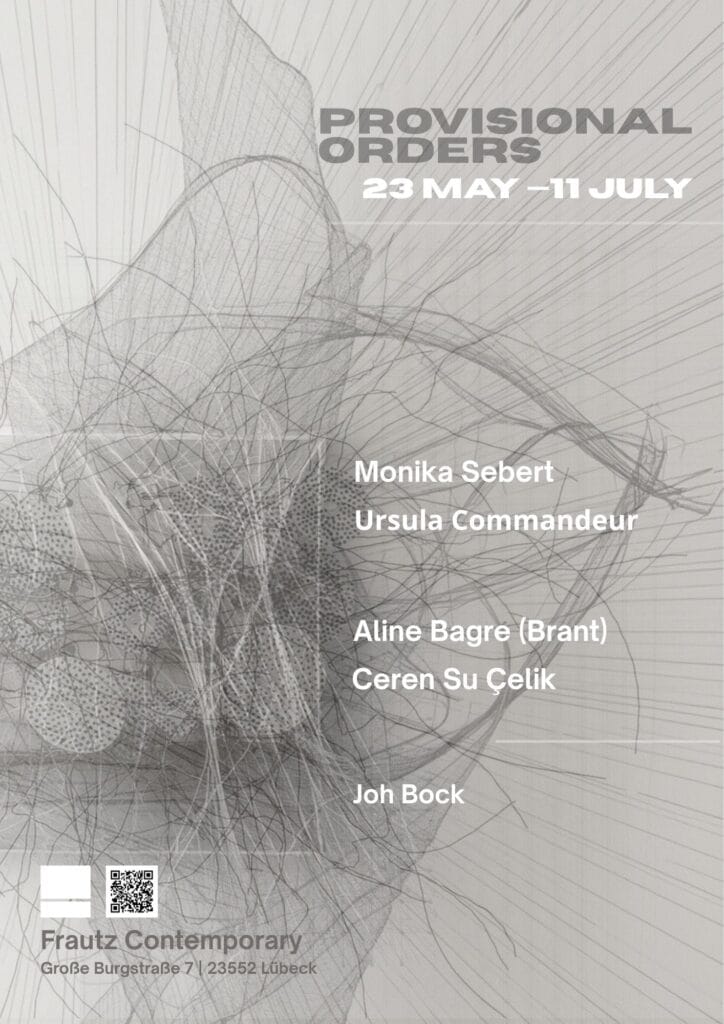
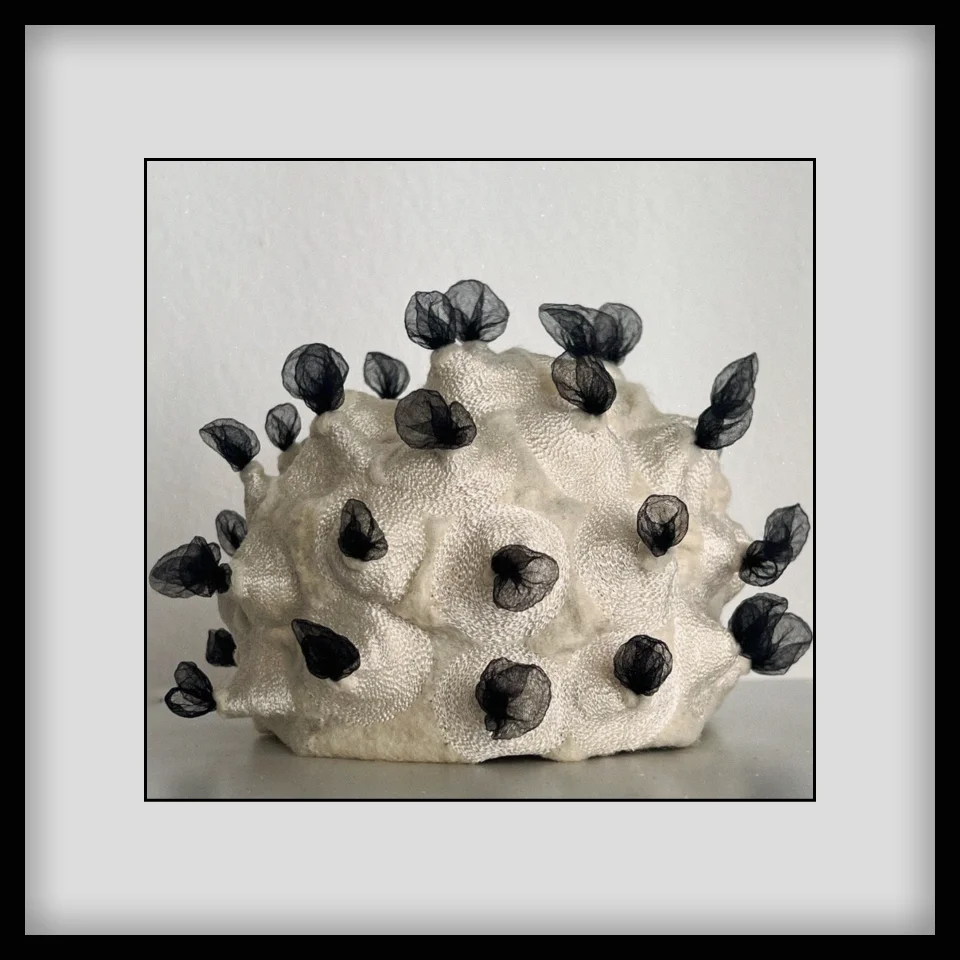
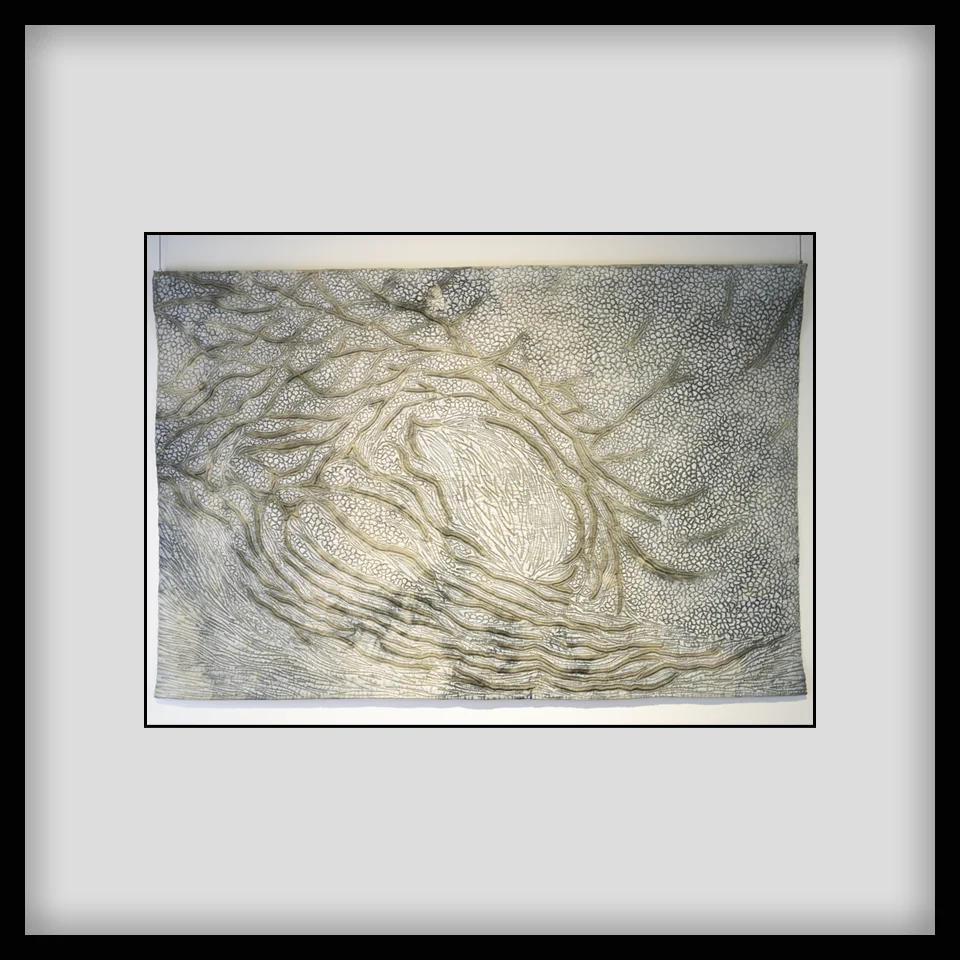
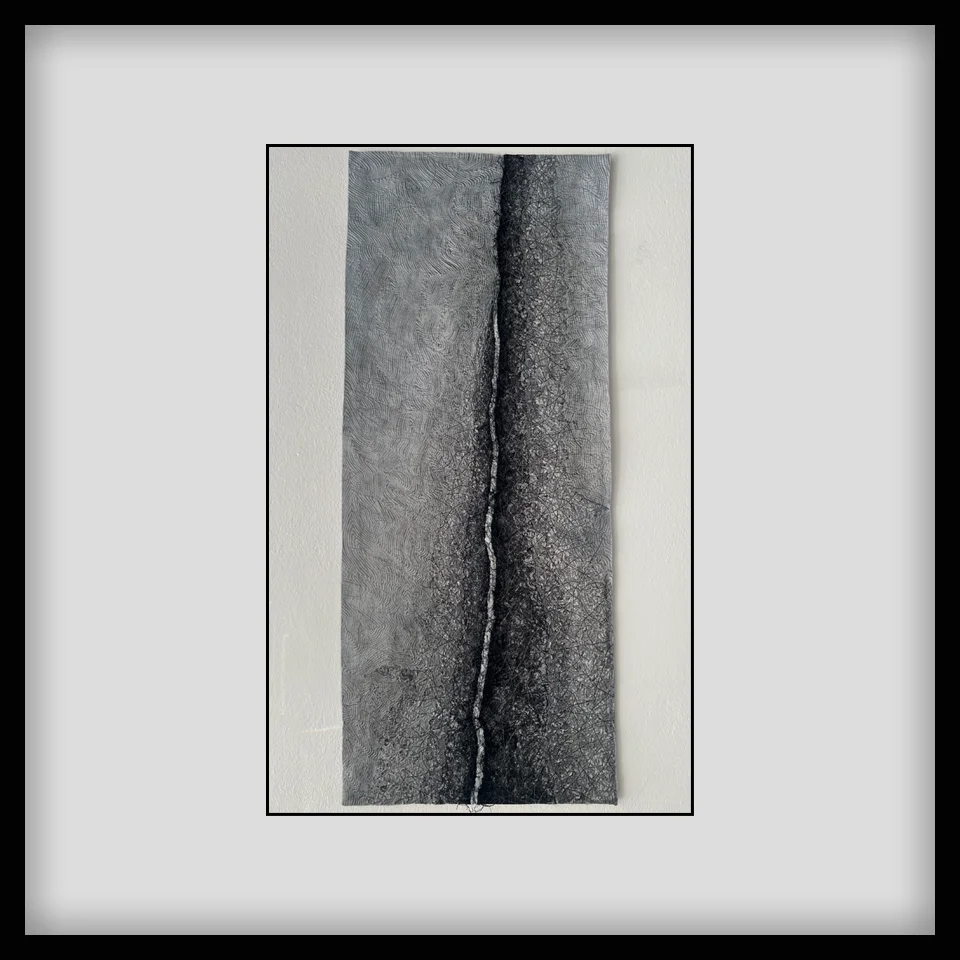
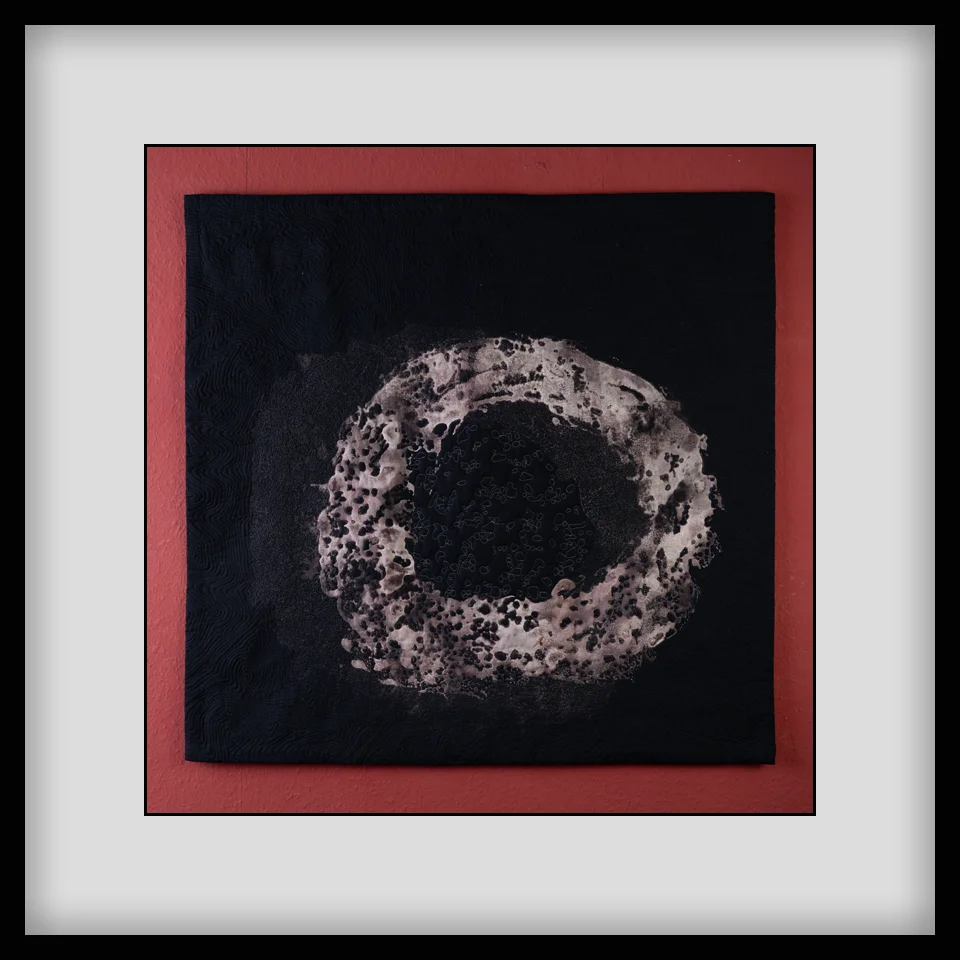
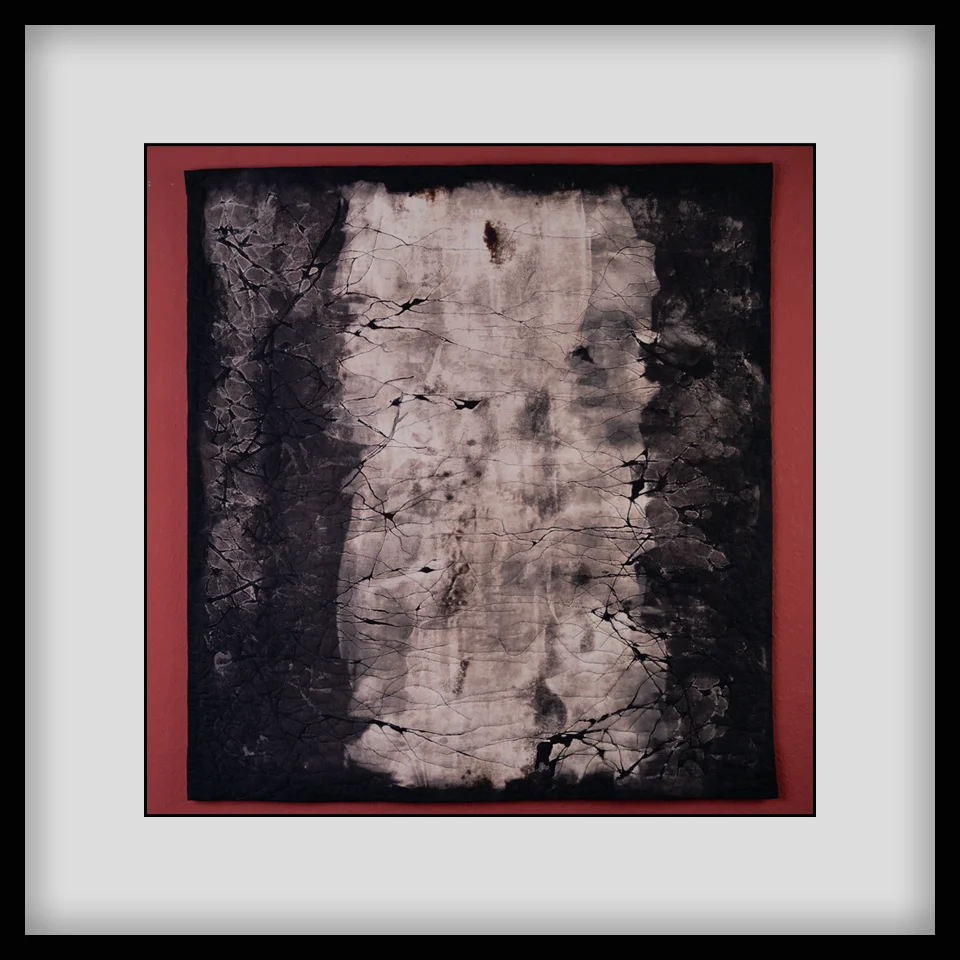
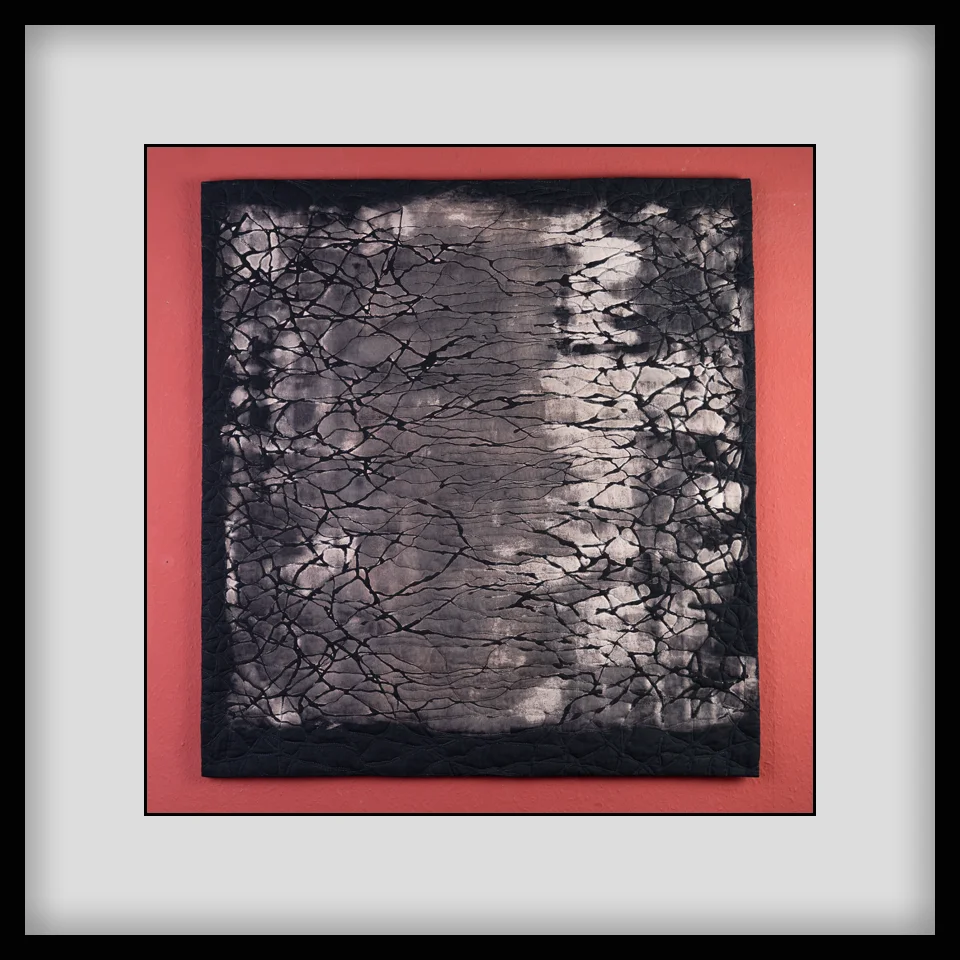
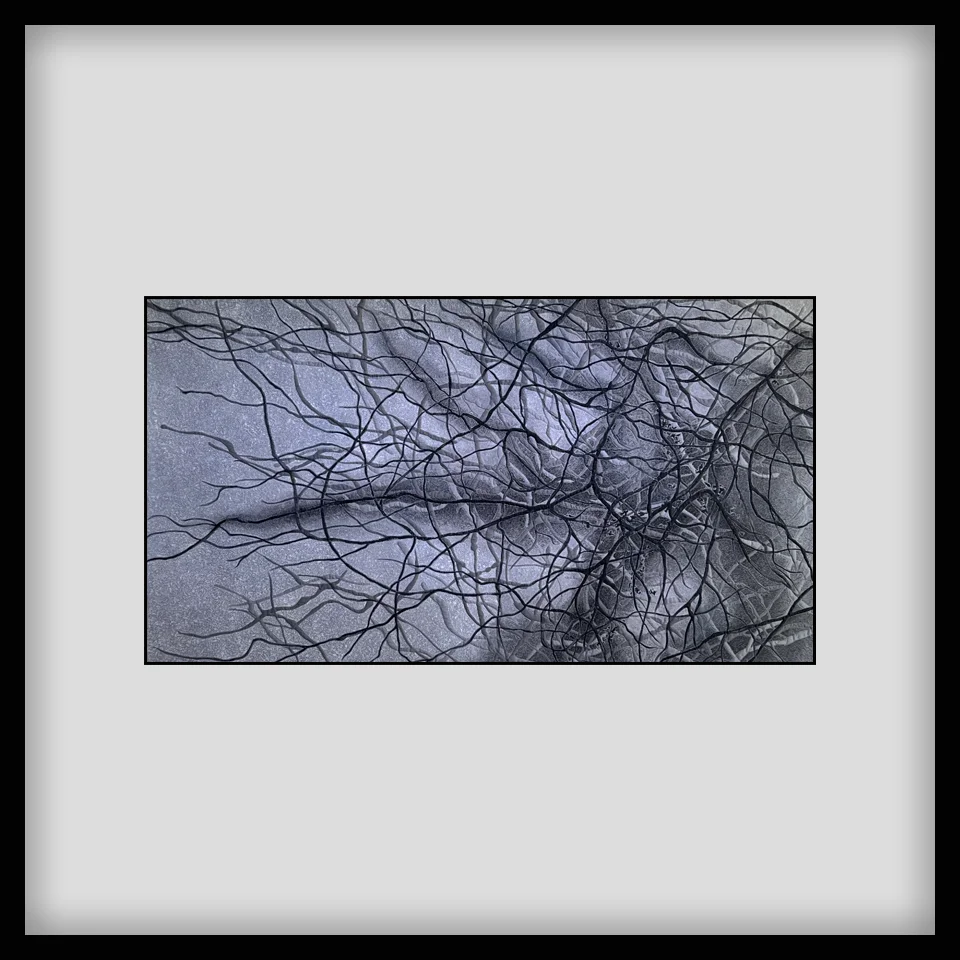
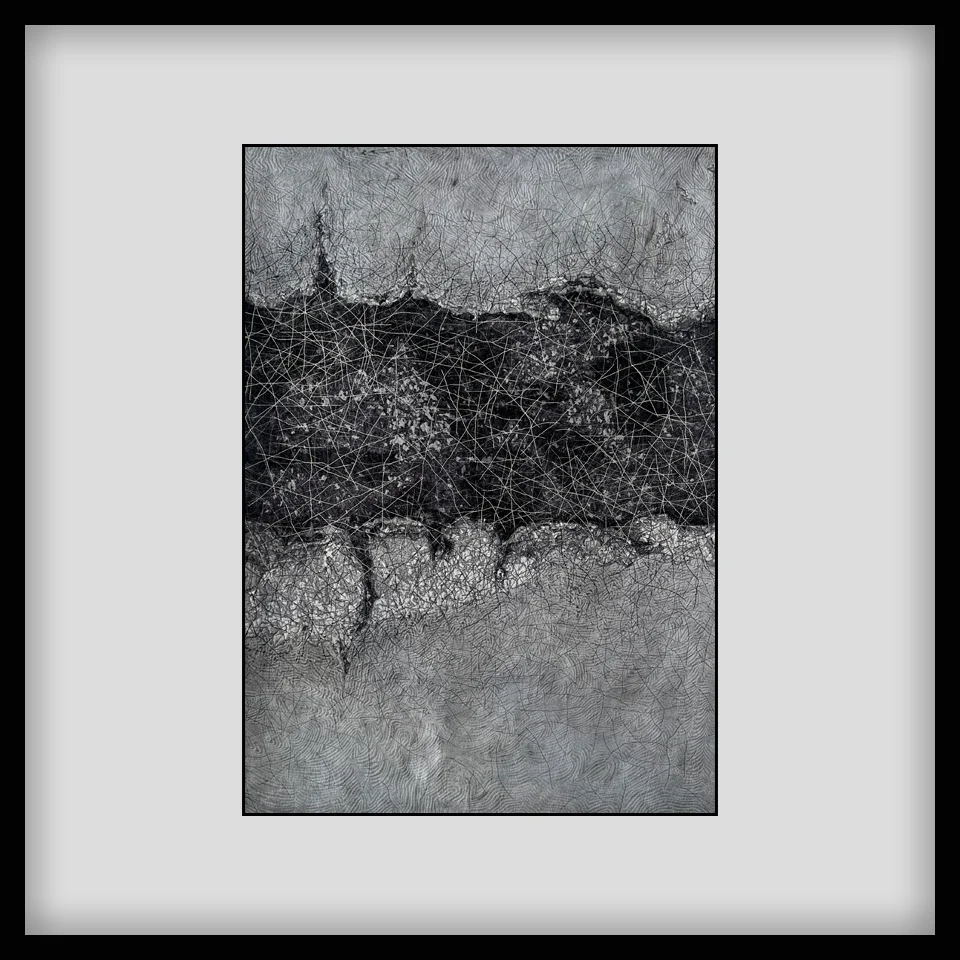
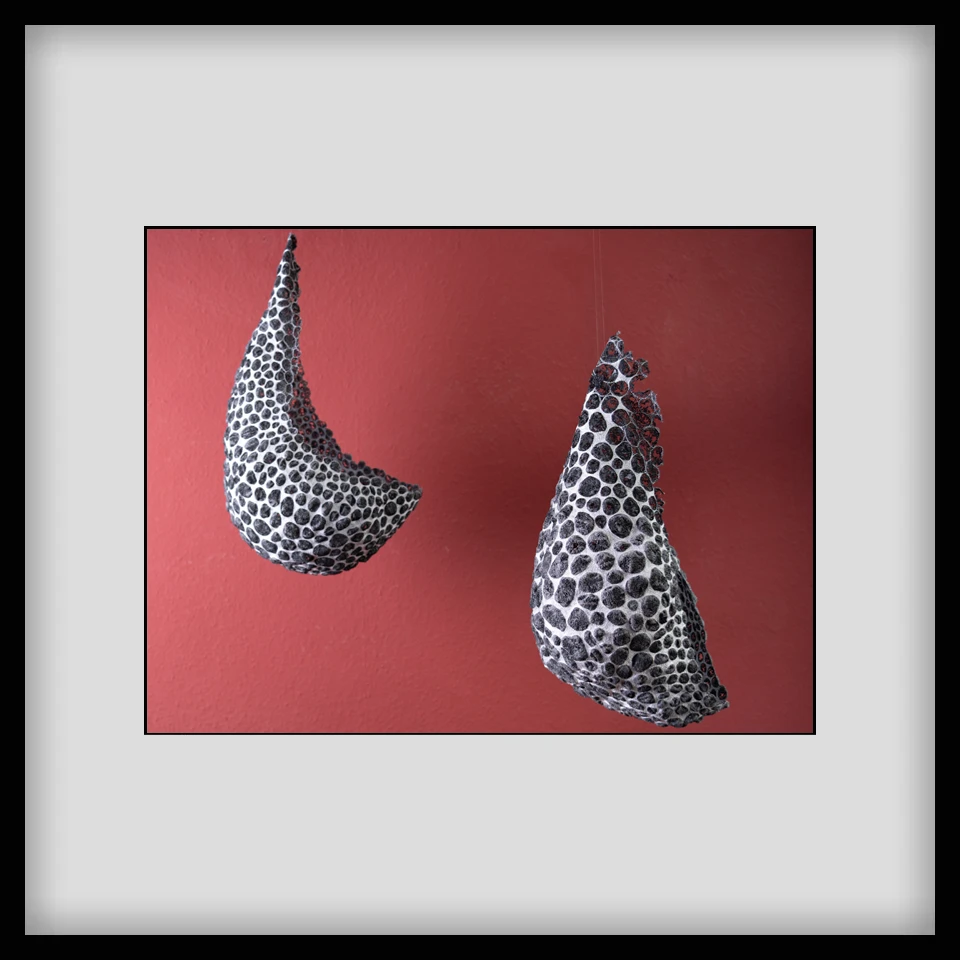
Monika Sebert’s works never fully arrive at a resolved state. Forms accumulate, compress, harden, and erode constructed through stitching, repetition, layering, and material pressure, while continuously carrying the possibility of rupture within themselves. What appears held together simultaneously threatens to come apart.
Material in her practice has its own agency. Textile, thread, texture, and surface operate as active forces that generate unstable structures suspended between density and fragility, control and disintegration. While the works initially appear tightly composed, closer viewing reveals internal tensions that resist stability. Surface no longer acts as an outer layer or boundary. Through stitched lines, compressed textures, and overlapping accumulations, Sebert constructs forms that evoke cellular systems, membranes, wounds, shells, or organic growths without ever fully resolving into representation. The works remain suspended between abstraction and corporeality, and it is precisely this unresolved condition that produces their psychological and material intensity.
A recurring gesture in Sebert’s practice is the transformation of soft, flexible materials into forms that appear fossilized, compacted, damaged, or structurally stressed as though shaped by pressure, erosion, or time itself. Through these material shifts, distinctions between textile, sculptural object, and spatial structure begin to collapse. Full CV and further information available on the artist’s website: monikasebert.de
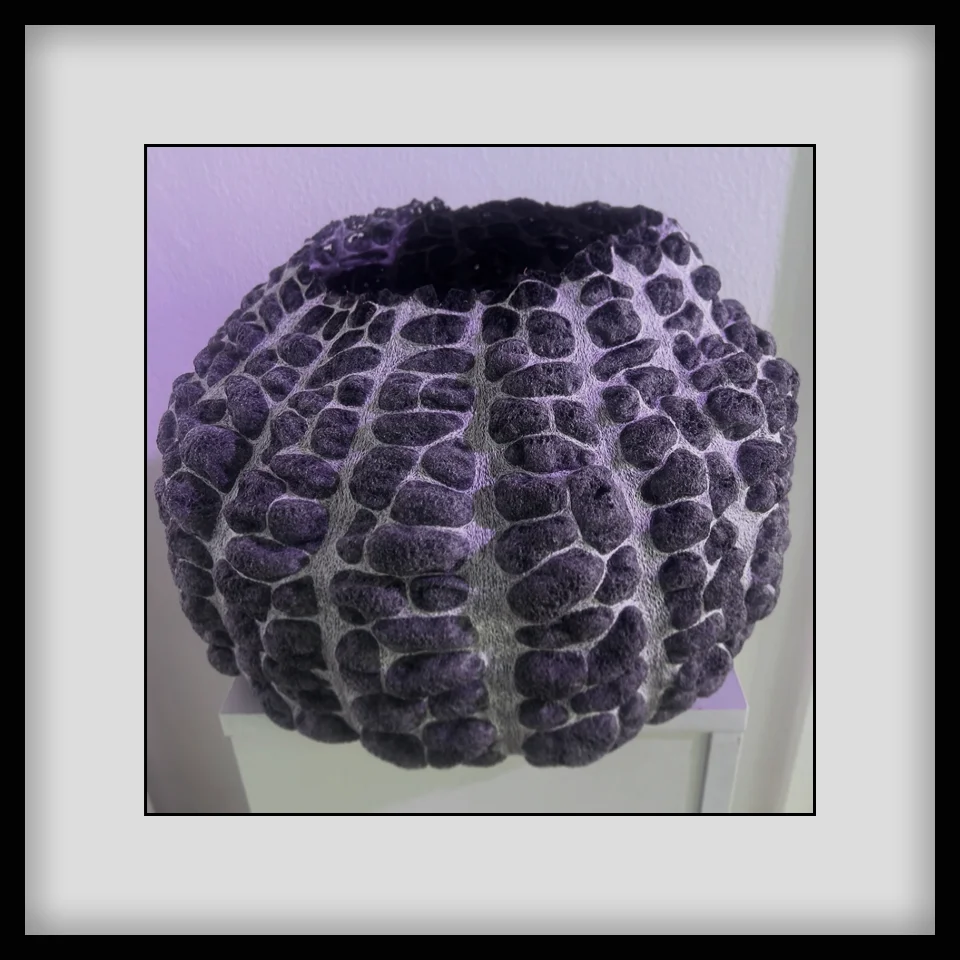
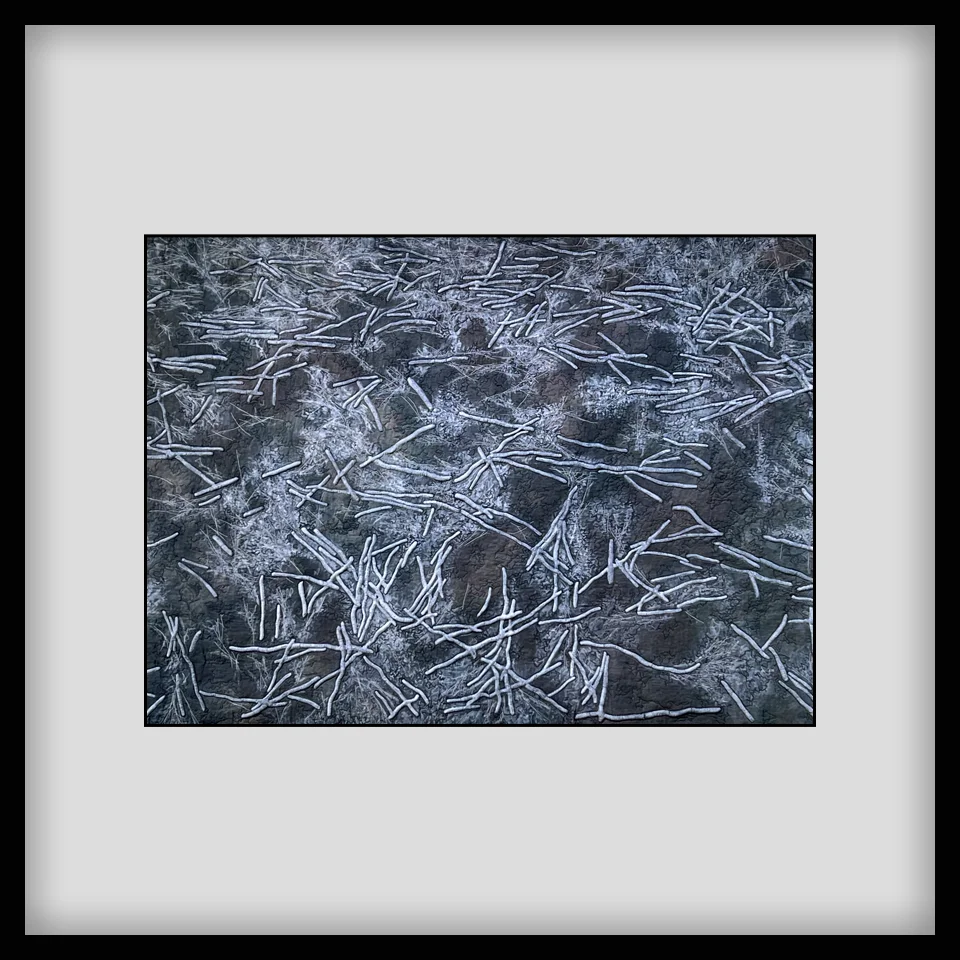
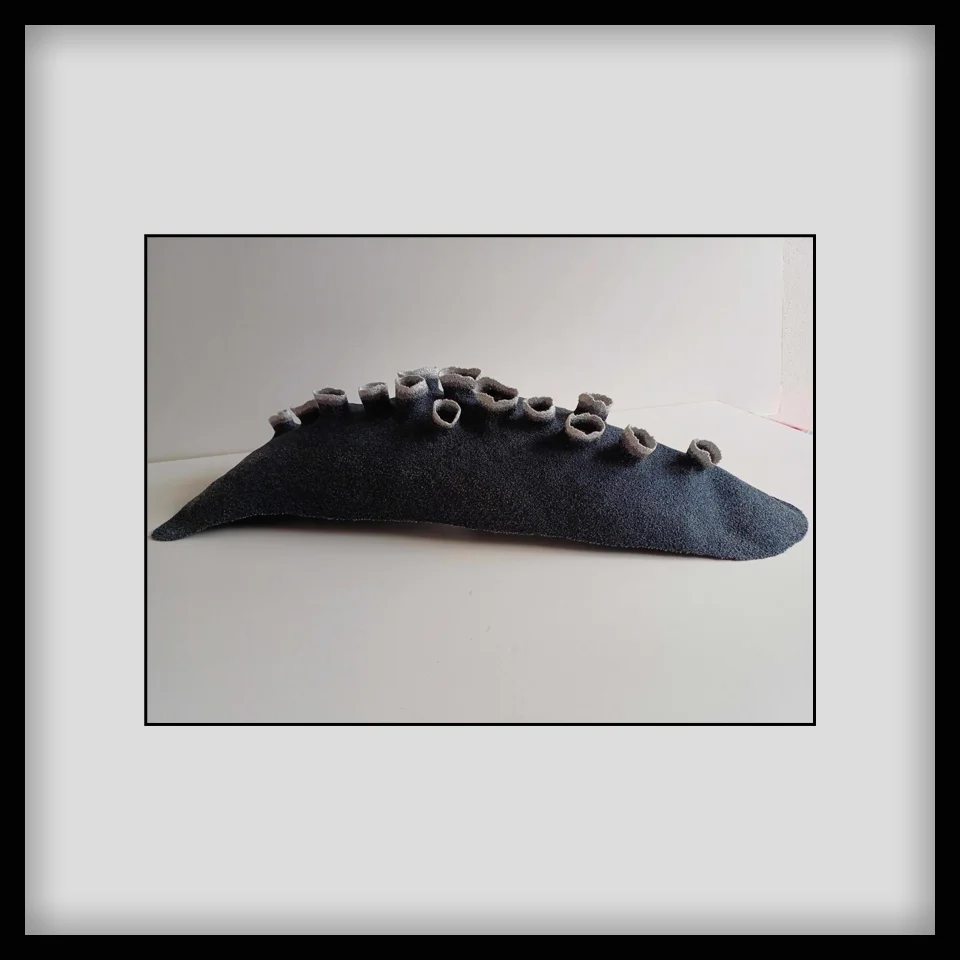
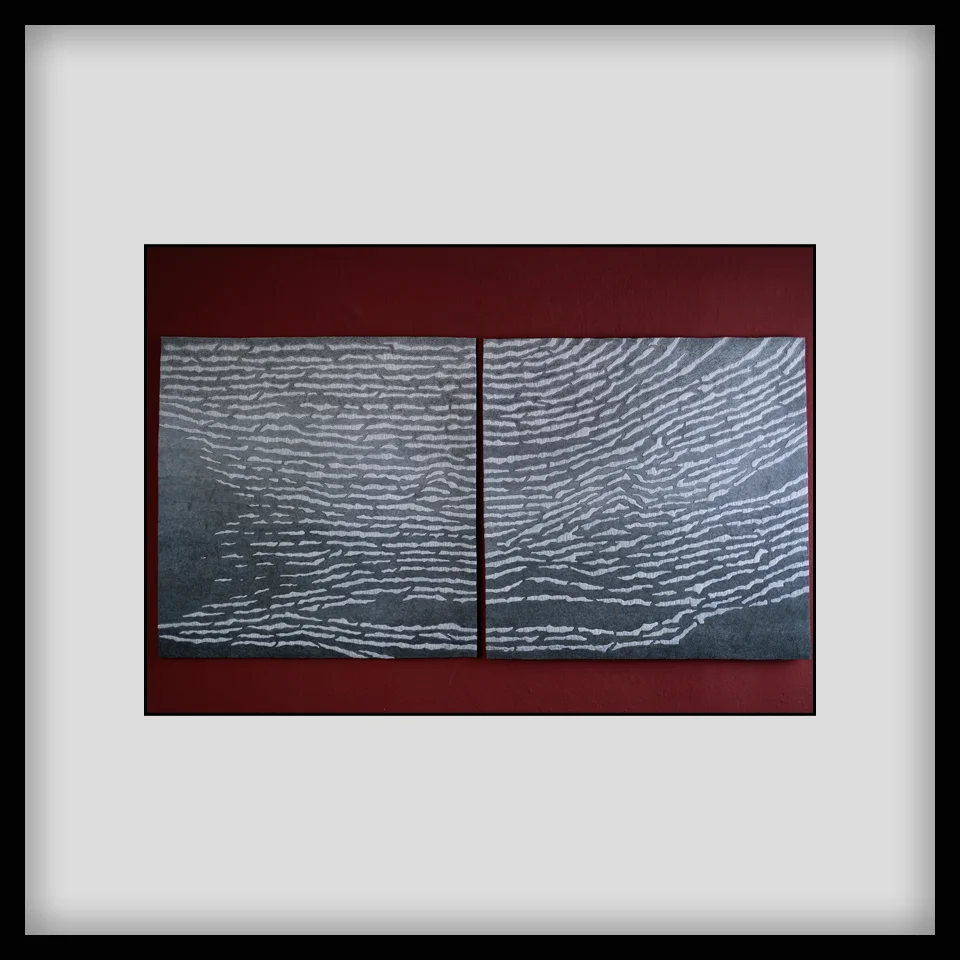
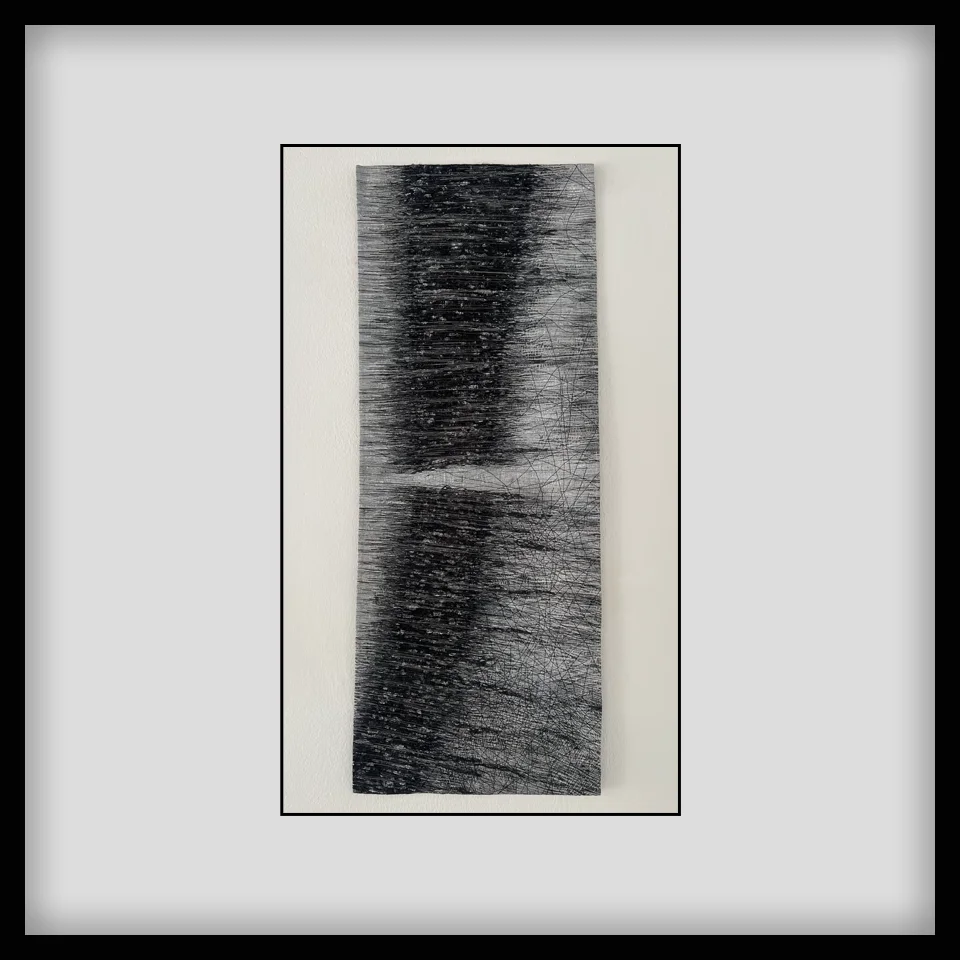
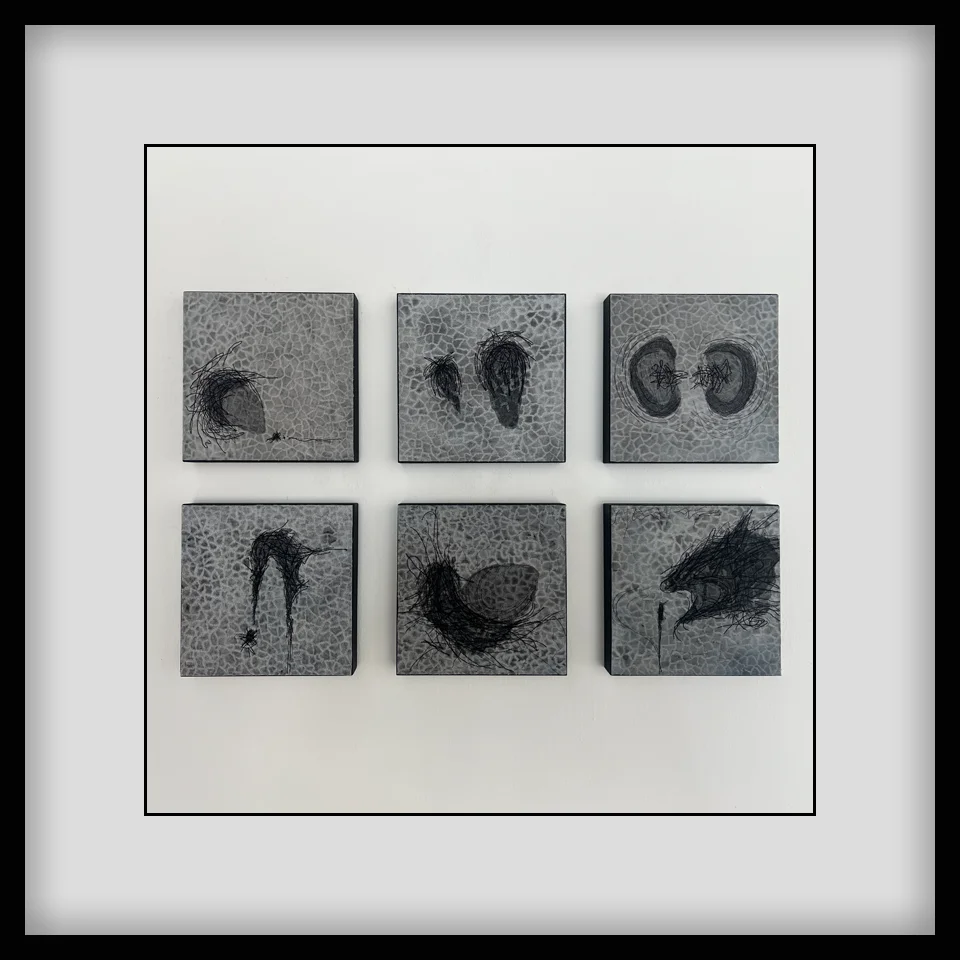
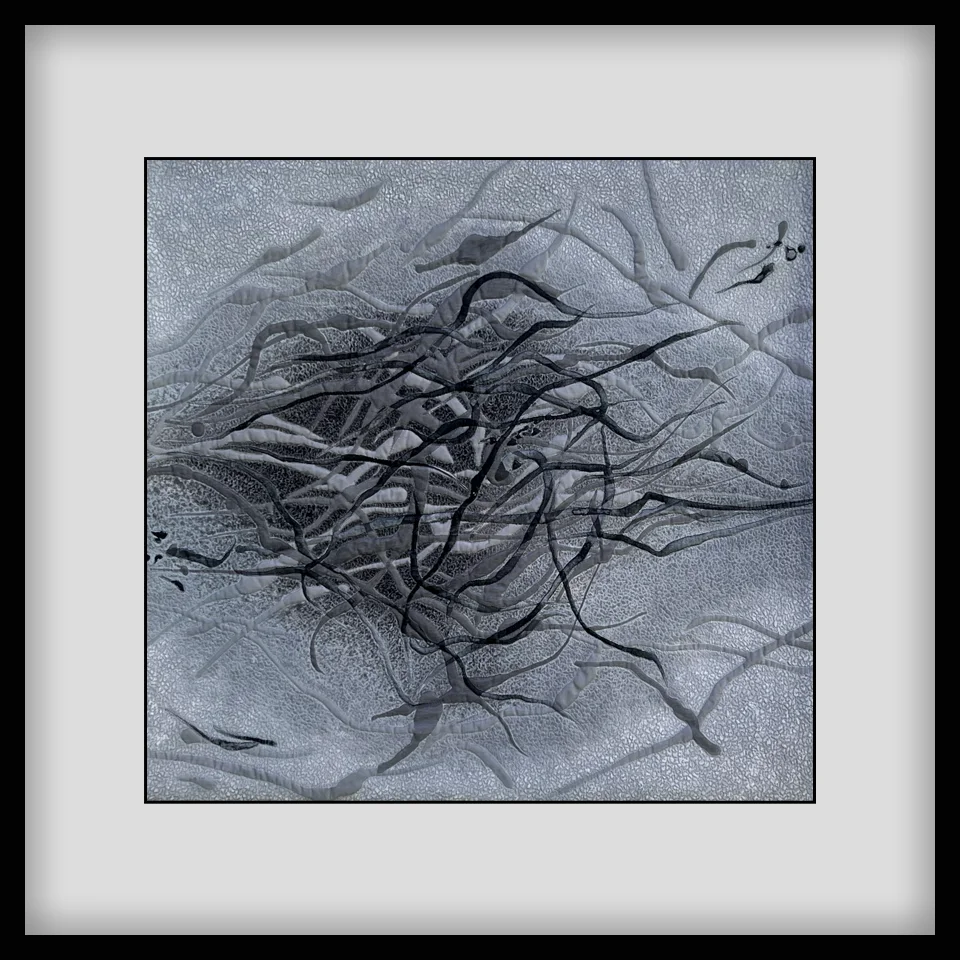
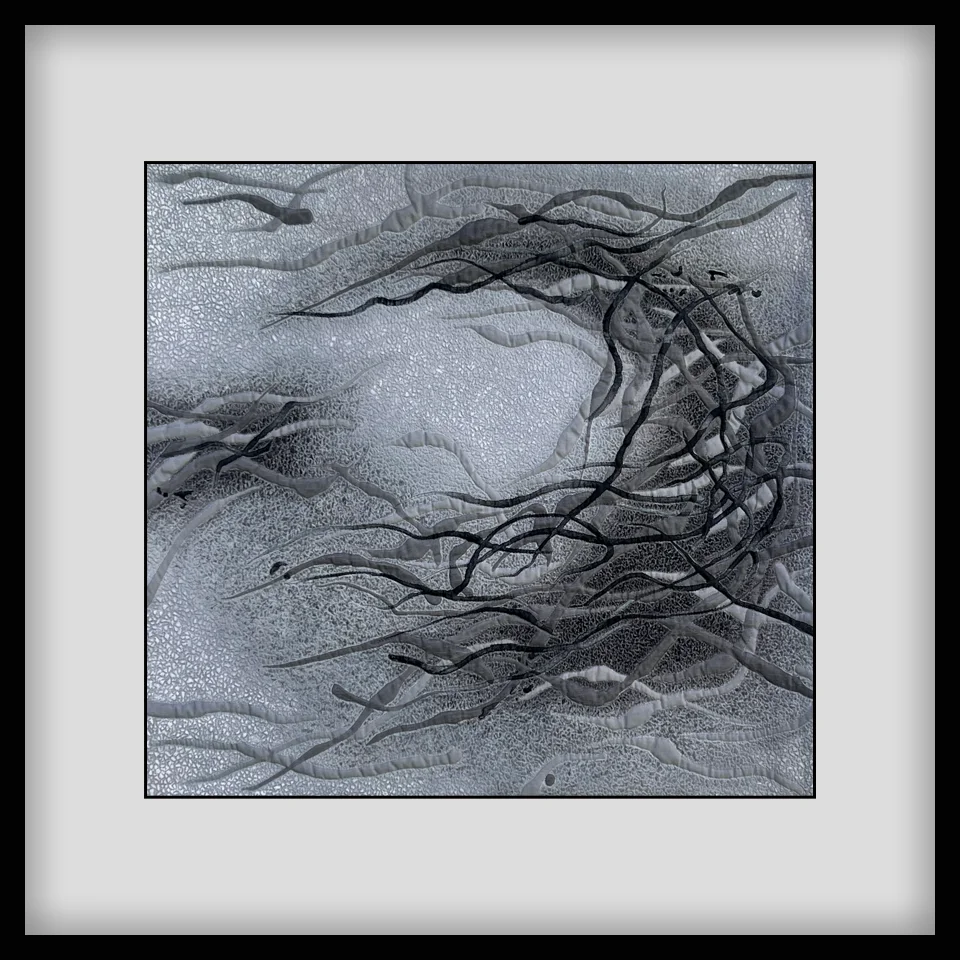
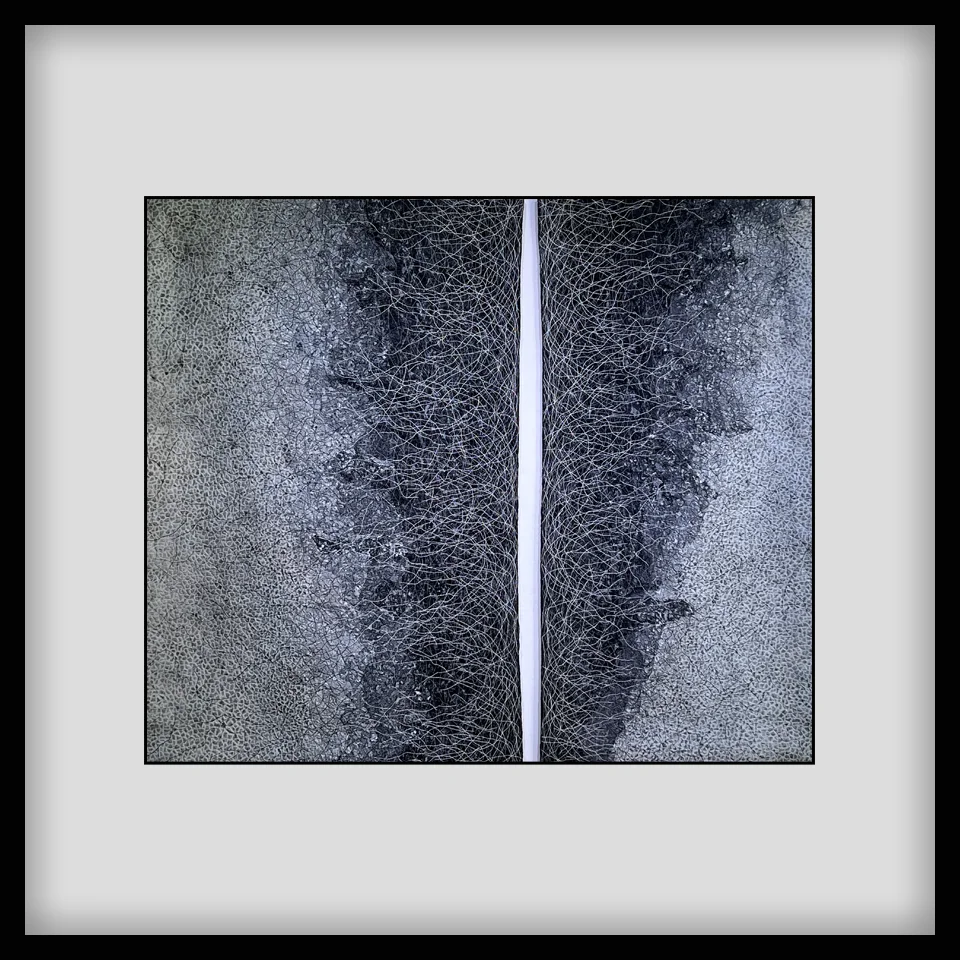
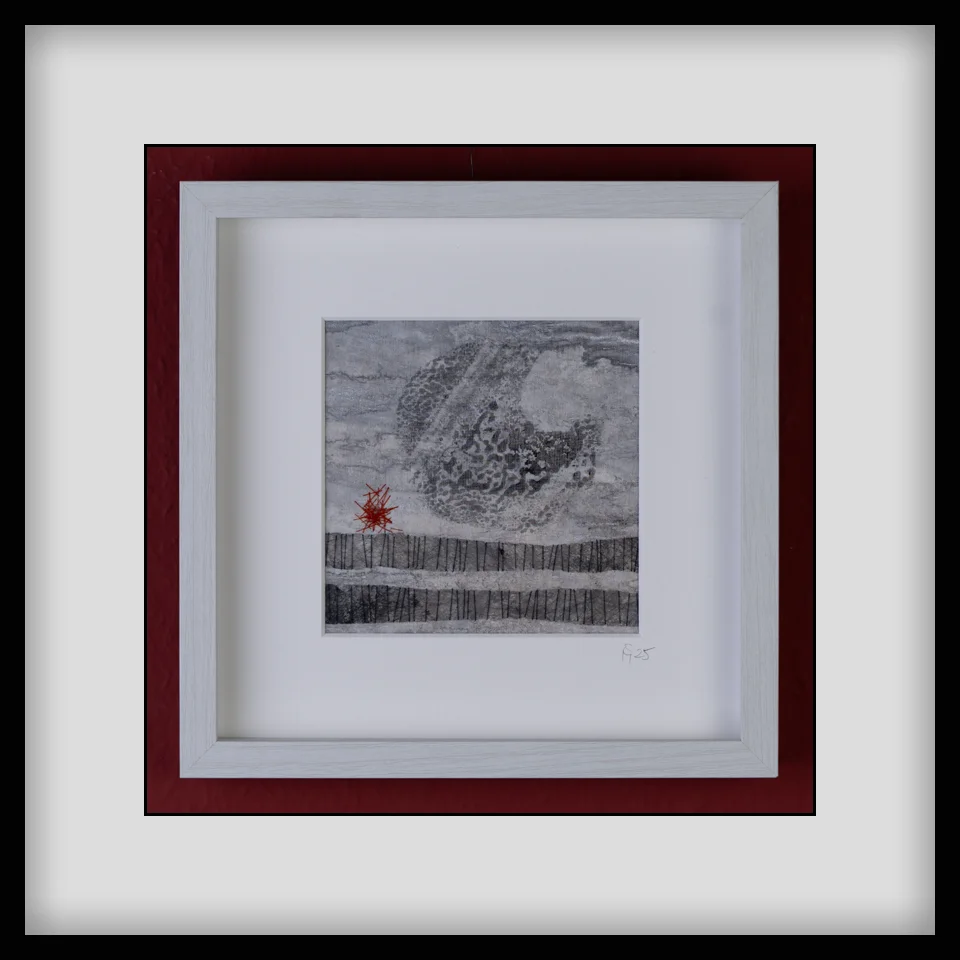
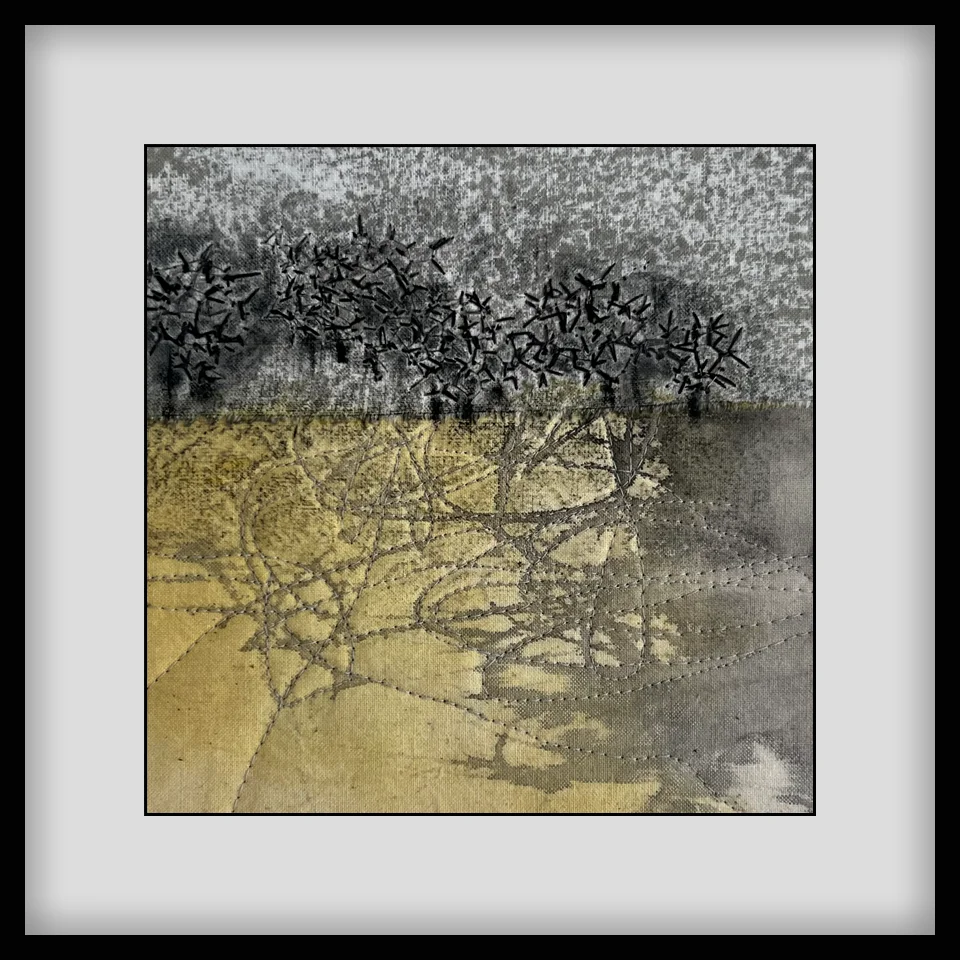
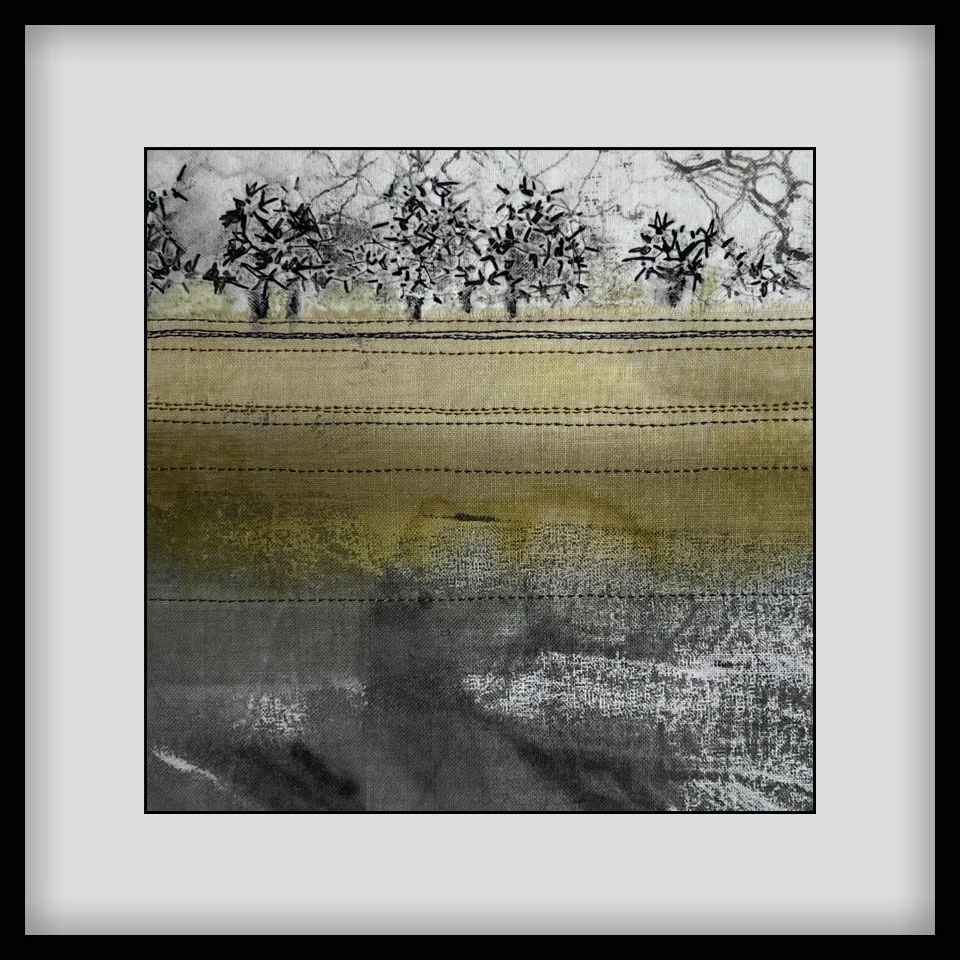
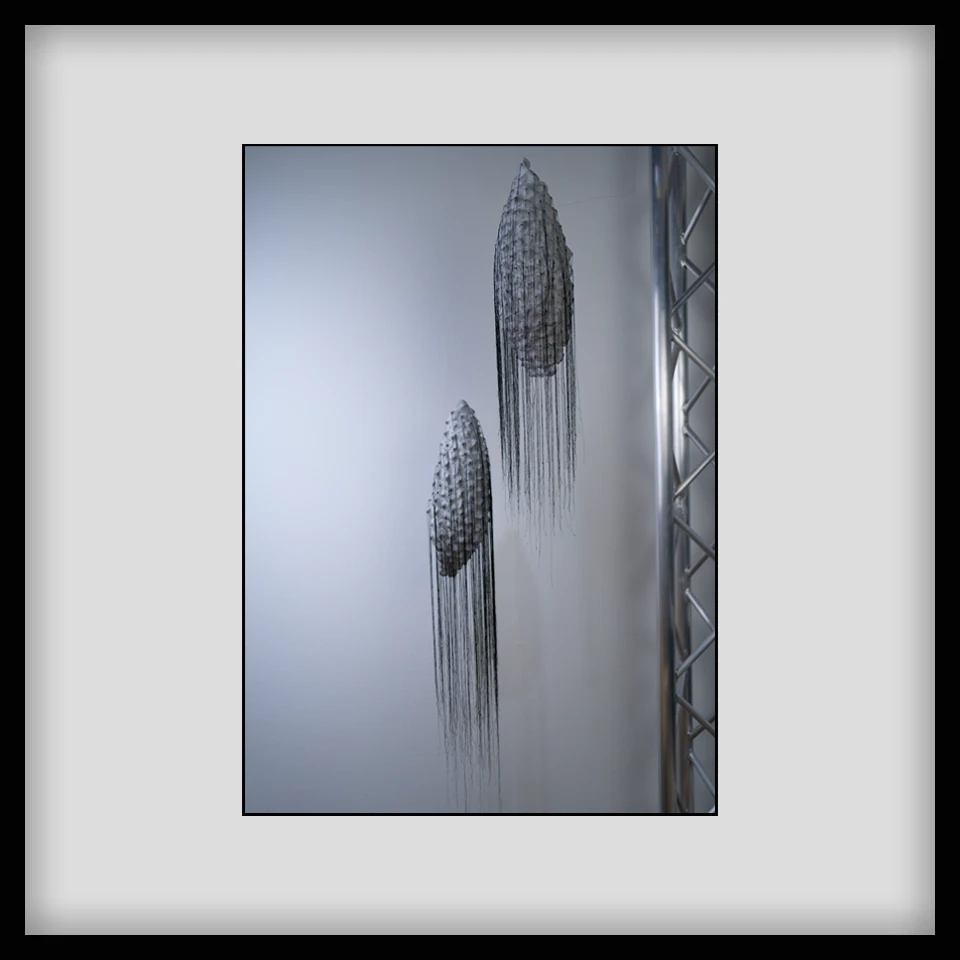
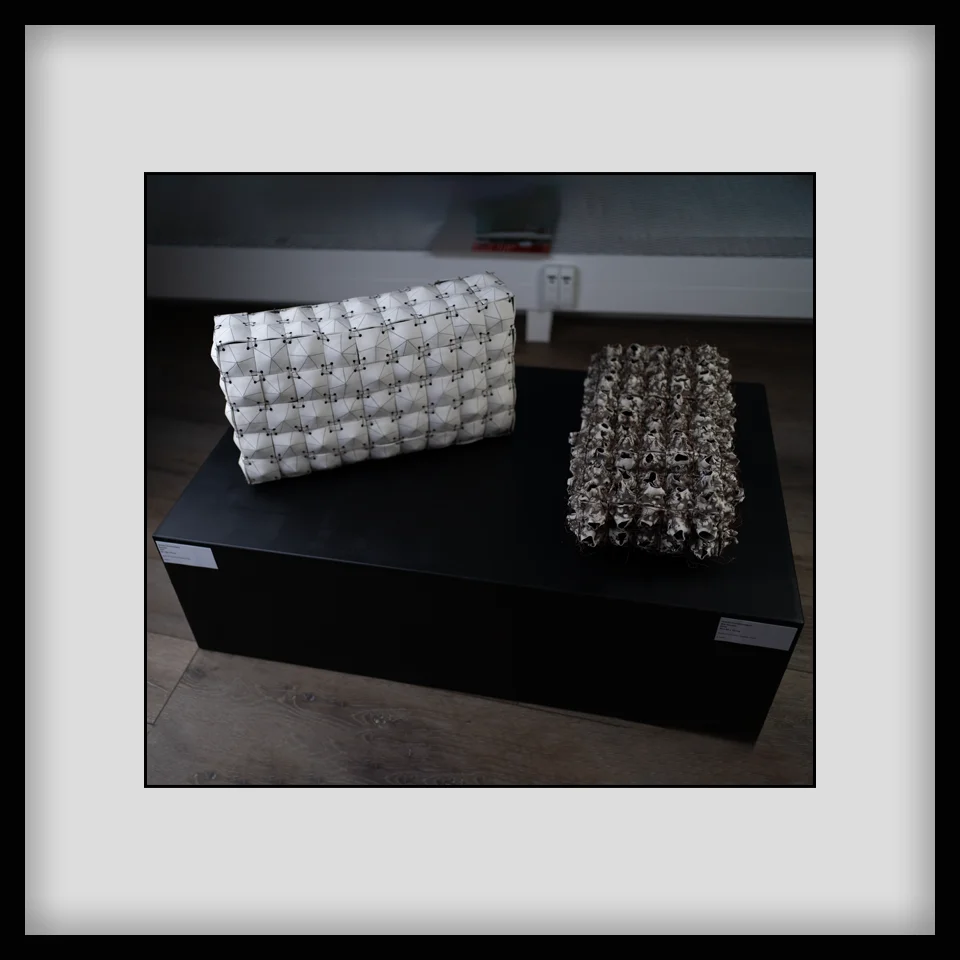
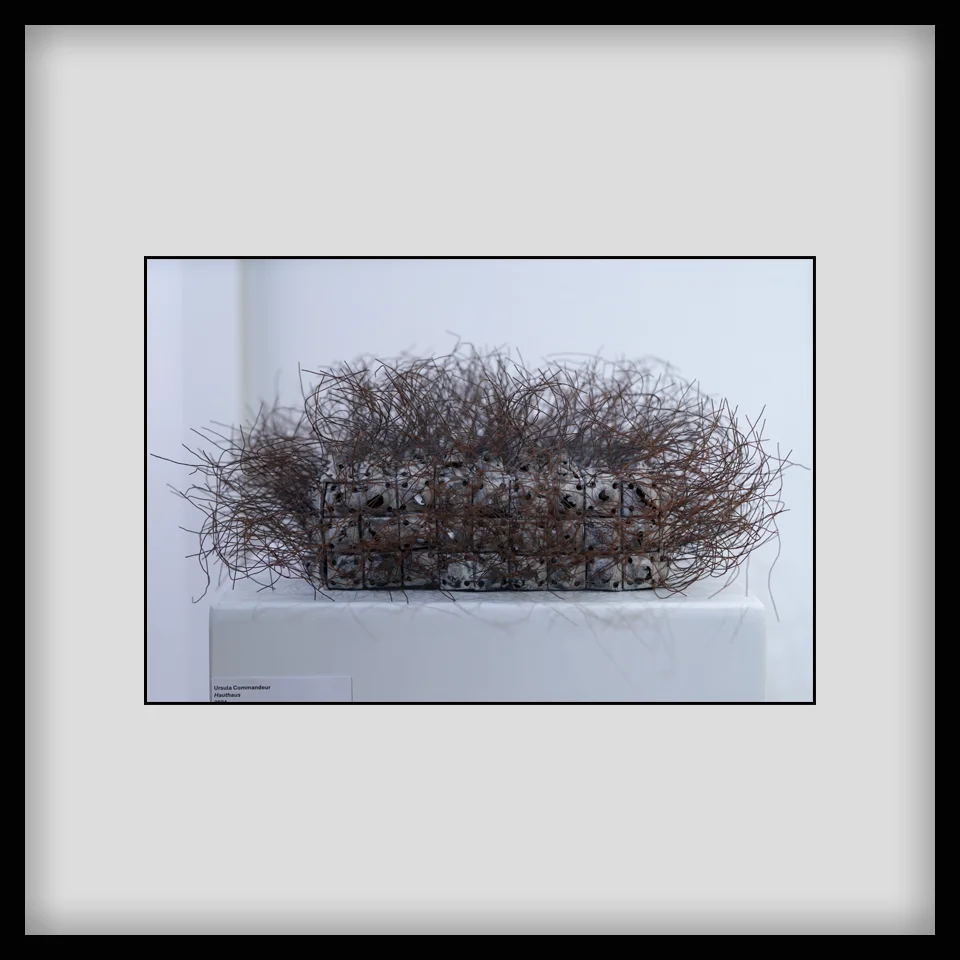
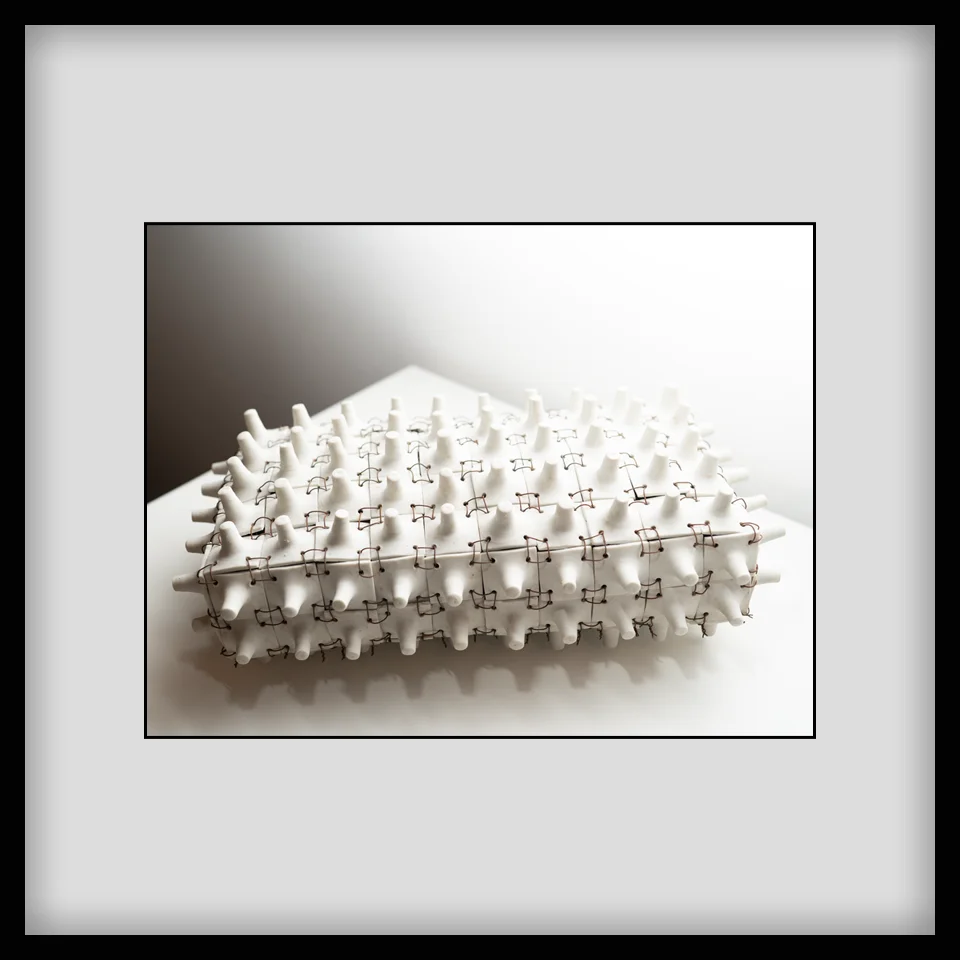
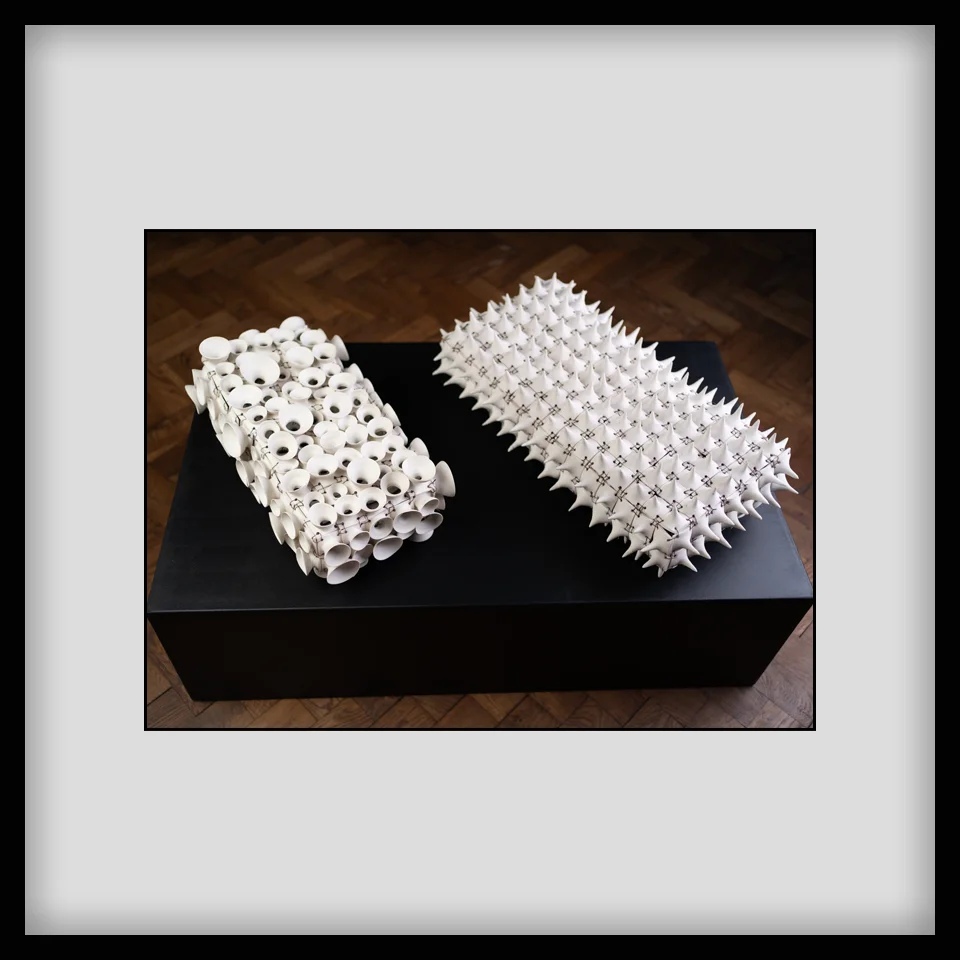
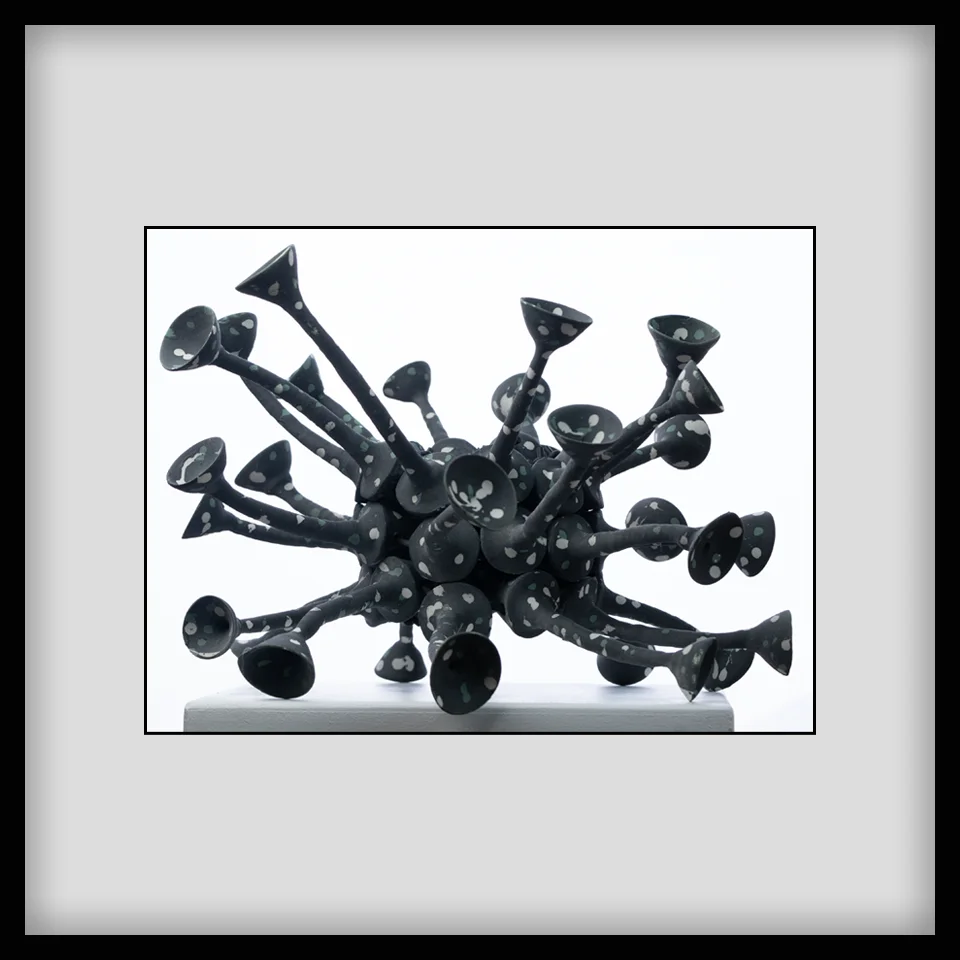
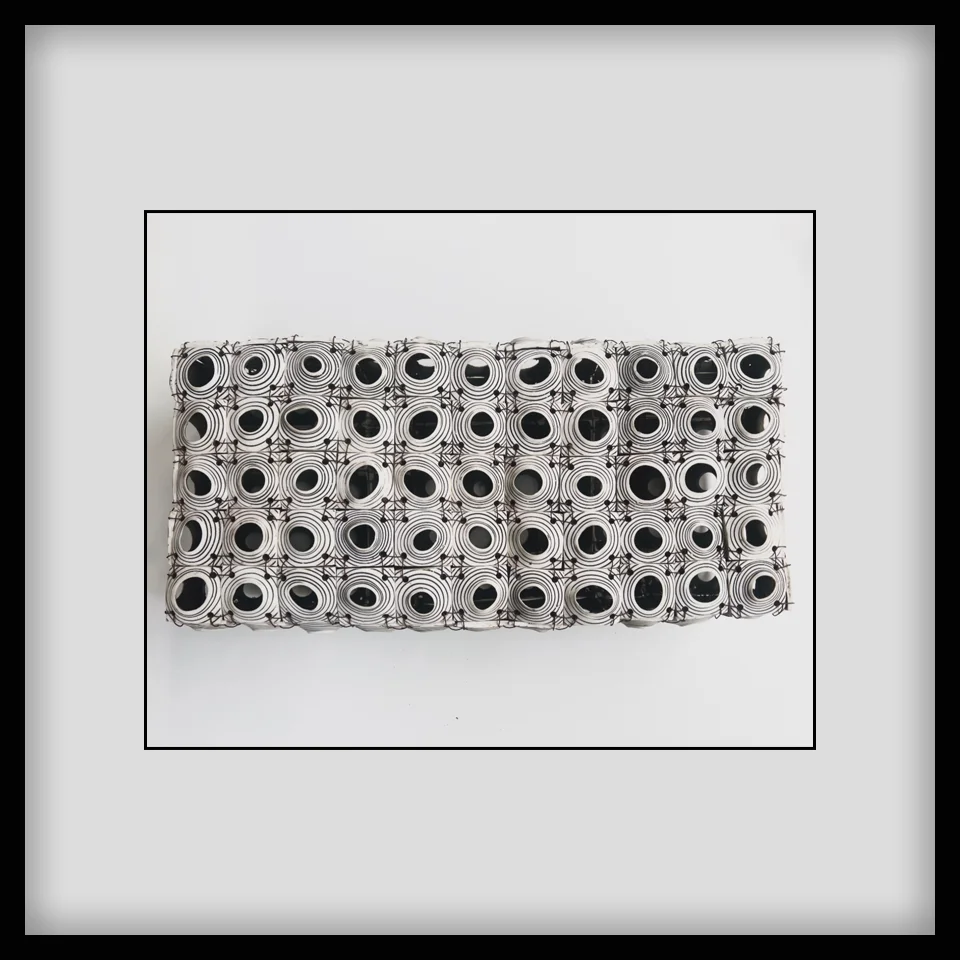
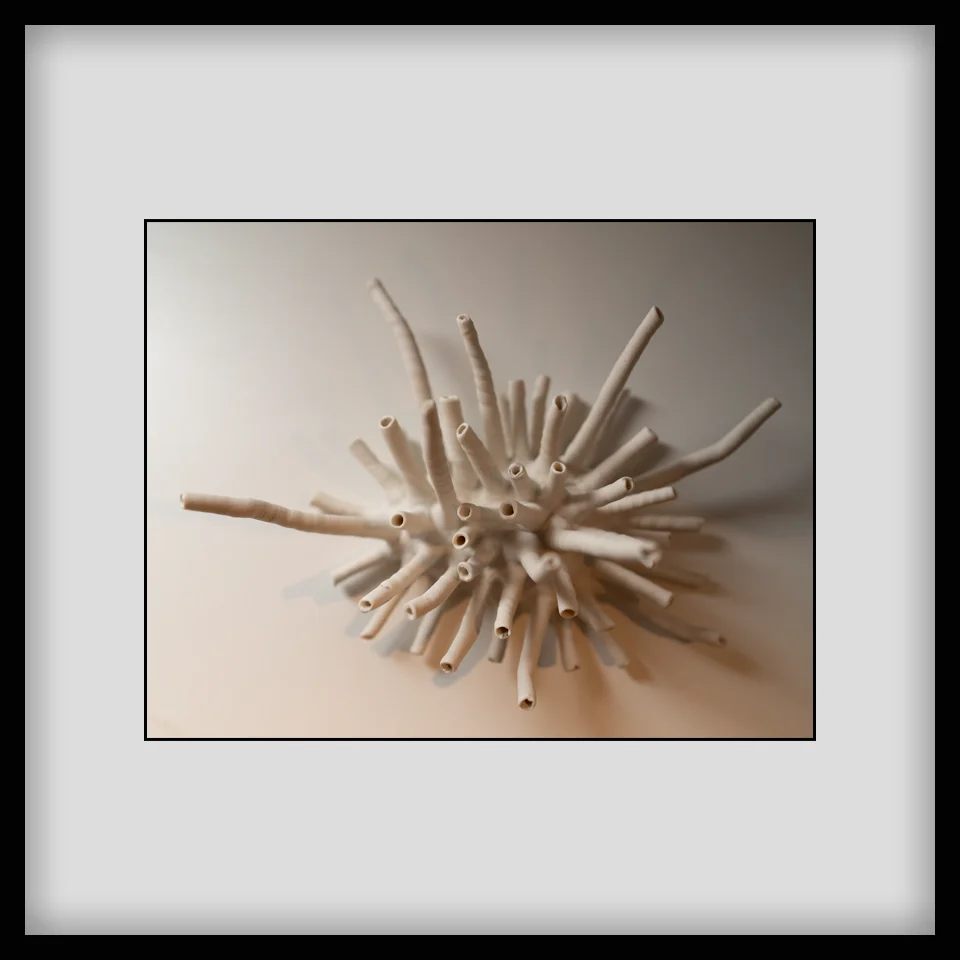
Ursula Commandeur’s works emerge through a persistent tension between structure and instability. Repetitive ceramic formations often suggest systems of order and organization, yet these structures never fully stabilize. Ruptured surfaces, openings, and material irregularities continuously interrupt their coherence, producing forms that appear simultaneously constructed and dissolving.
Her forms exist ambiguously between bodily fragment, vessel, organic presence, and architectural structure. Damaged surfaces and porous openings carry traces of vulnerability, erosion, and transformation, while material itself enters a state of instability: surfaces begin to behave structurally, and structural elements dissolve into texture, line, and spatial entanglement.
Metal strands function not only as connective elements, but as subtle tensions operating within the work. They bind, extend, and destabilize the forms without fully defining them, allowing the boundaries between object, body, and structure to remain fluid and unresolved. Full CV and further information available on the artist’s website: uc-keramik.de
Ceren Su Çelik’s work explores processes of transformation that emerge through repetition, interaction, and continuous reconfiguration. Across moving image, generative systems, and live performance, structures appear stable only temporarily, shaped by cycles of accumulation, disruption, and renewal. Meaning, memory, and form remain in constant negotiation, revealing order not as a fixed condition but as a provisional arrangement sustained through ongoing change. Full CV and further information available on the artist’s website: cerensucelik.
Steel Fleas
Steel fleas ripple the metal veil as they move. Referring to Nikolai Leskov’s story The Steel Flea, this imagery highlights the paradox beneath technological progress: the repetitive cycles of labour’s devaluation leave subtle yet persistent marks - much like waves on a veil.
Chromothripsis
Live audiovisual performance and interactive installation
In Chromothripsis, the visitor becomes part of a continuously transforming audiovisual system. Through real-time image processing, sound, voice, and audience interaction, hybrid forms emerge, dissolve, and reconfigure over time. Inspired by Gilles Deleuze’s concept of becoming, the work approaches identity as an ongoing process rather than a stable condition, where memory, forgetting, and renewal continuously reshape one another.
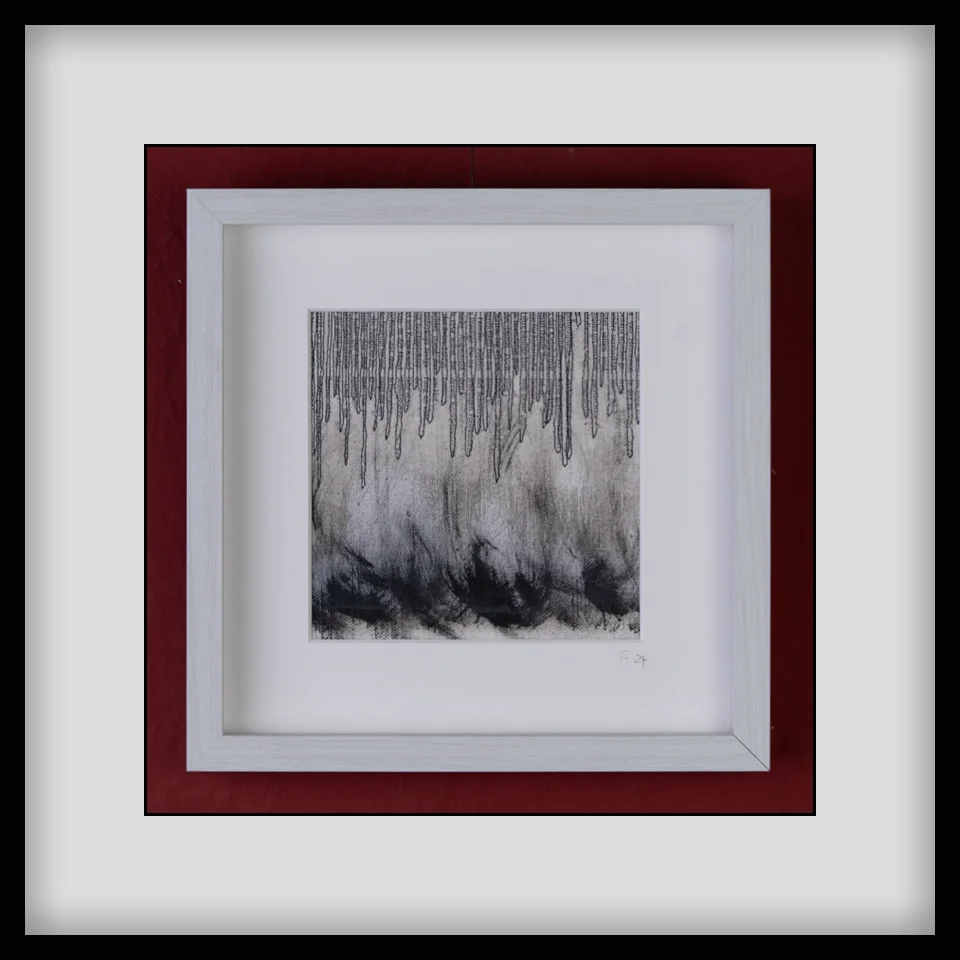
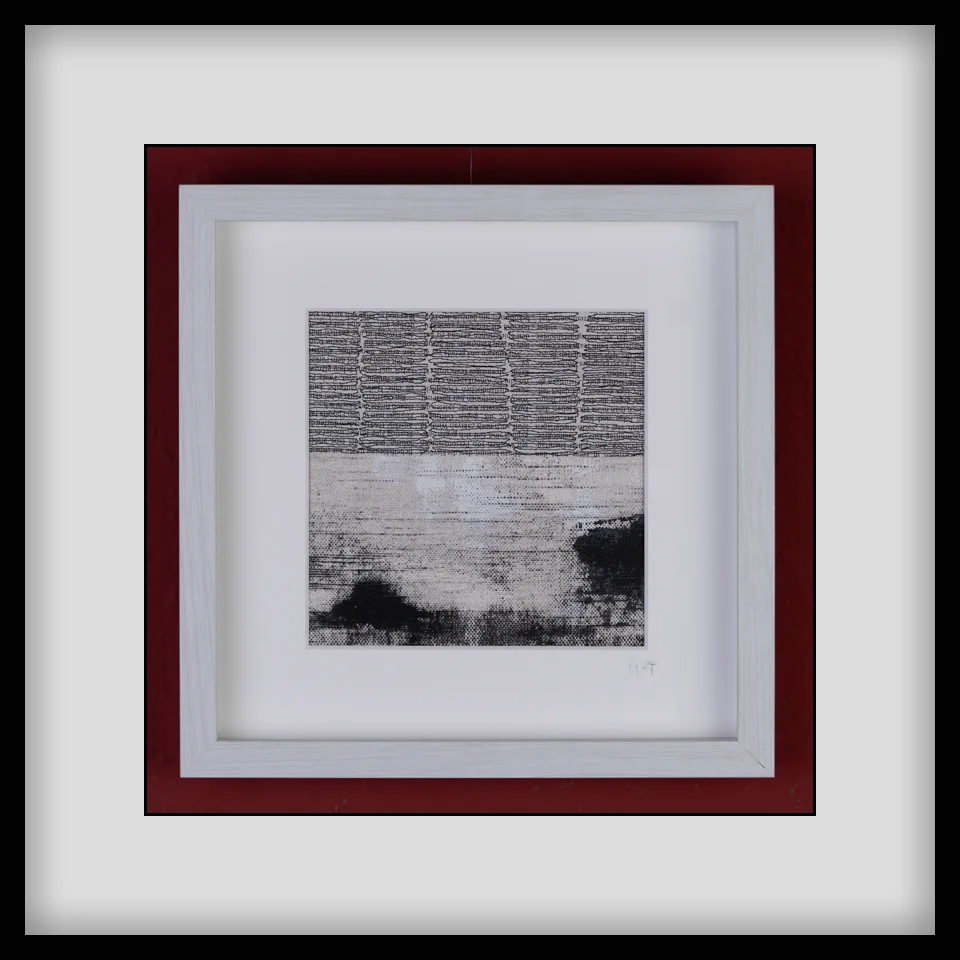
Aline Bagre/Brant’s practice brings together photography, embroidery, textile art, and moving image to explore memory, ancestry, and cultural transmission. Drawing from personal and collective histories, her works investigate how identities are shaped through remembrance, storytelling, and transformation. Through processes of layering, intervention, and repetition, images become spaces where memory remains active, continuously unfolding rather than fixed in the past. Full CV and further information available on the artist’s website: https://womenonwalls.
In Espelhos (Mirrors) and Tempo, Aline Bagre/Brant explores the relationship between memory, transformation, and visual structure. Embroidery, movement, and repetition function not as decorative elements, but as tools for activating ancestral narratives and forms of cultural transmission. Moving between image, textile, and illustration, the works inhabit a space where visual elements remain in constant transformation rather than settling into fixed meanings.
Figures, patterns, and gestures circulate through systems of layering and movement, continuously shifting between image and structure. What initially appears as surface gradually reveals itself as a generative framework, while structure itself dissolves into motion. Through this process, memory emerges not as a fixed archive, but as a living and evolving field of relations.